
High Temperature Insulation up to 1800 °C
Wedge Industries Limited supplies high temperature insulation for furnaces, kilns, ladles, boilers and process plants — ceramic fibre blankets, boards and modules (1050–1650 °C), zirconia fibre, microporous boards, calcium silicate, bubble alumina and fire bricks to 1800 °C. Cut and machined to drawing at our Faridabad works.
Browse 101 high temperature insulation products · Thickness calculator
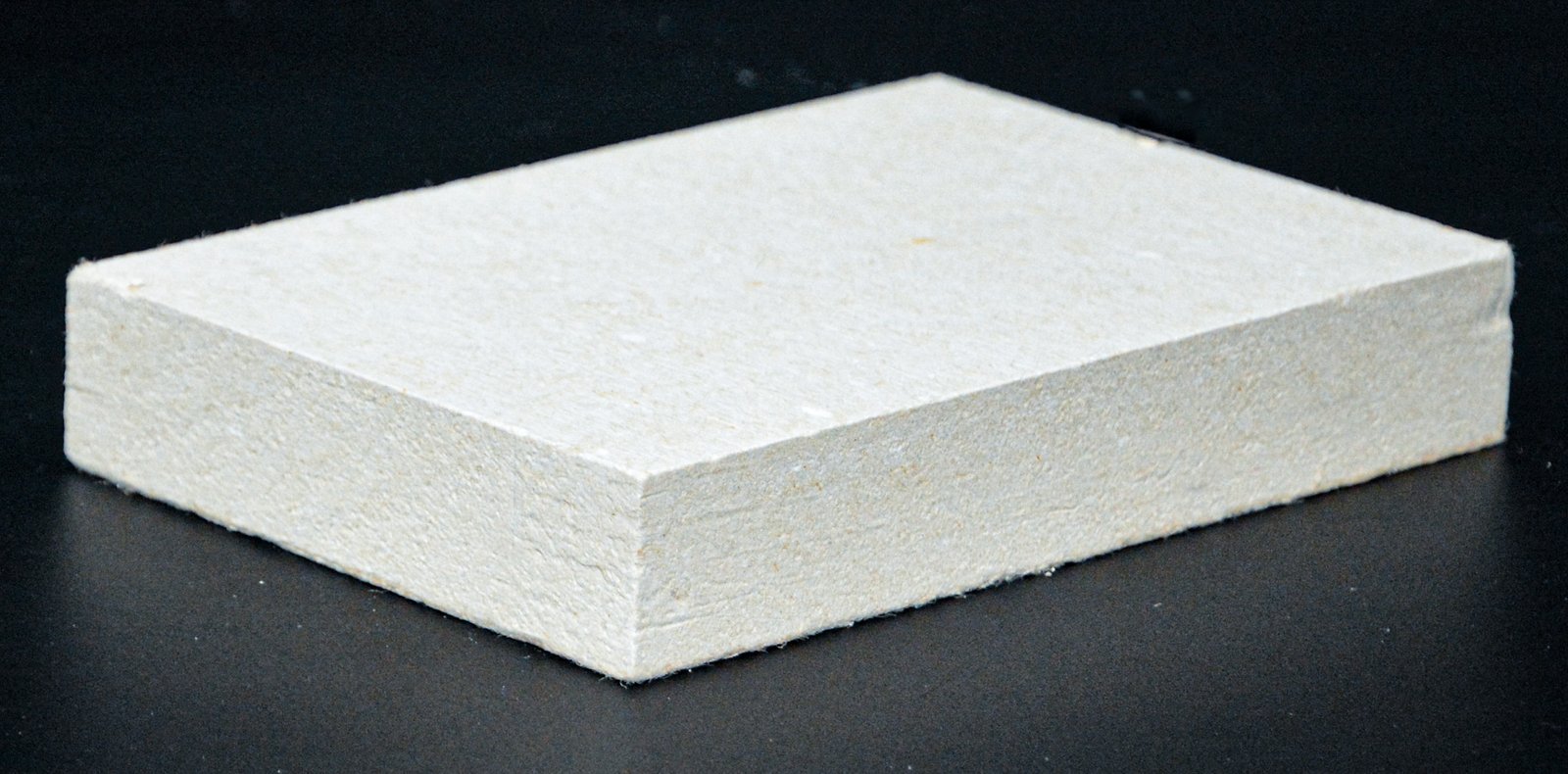
What is high temperature insulation?
High temperature insulation is any insulating material rated to work continuously above about 650 °C — beyond the limit of mineral wool and most aerogels — in furnaces, kilns, ladles, boilers, flues and reactors. It keeps heat inside the process, protects the steel shell and people outside it, and cuts fuel use. Most linings combine two or three layers: a hot face of ceramic fibre or refractory that faces the flame, and a back-up layer of microporous or calcium silicate that has very low thermal conductivity and brings the shell temperature down.
Choosing the right high temperature insulation depends on the hot-face temperature, atmosphere, mechanical load, space available and target shell temperature. Wedge engineers size the layers for you.
High temperature insulation materials and ratings
| Material | Temperature | Key properties | Typical position |
|---|---|---|---|
| Ceramic fibre blanket | 1050 / 1260 / 1350 / 1430 / 1650 °C | 64–192 kg/m³; λ 0.06–0.28 W/m·K; 7600 × 610 mm rolls, 13 / 25 / 50 mm; Euroclass A1 | Hot face, furnace doors, expansion joints, repairs |
| Ceramic fibre board & modules | 1050–1650 °C | Vacuum-formed, machinable; modules 128–160 kg/m³ with alloy or ceramic anchors | Hot face, burner blocks, kiln cars, door linings |
| Zirconia ceramic fibre blanket | 1450 °C | 128 kg/m³, 25 mm | Higher-temperature hot faces |
| Ceramic fibre paper, rope & tape | 1260 °C | Paper 2–5 mm at 160–240 kg/m³ | Gaskets, seals, expansion gaps |
| Microporous board | 900–1200 °C | λ 0.019–0.025 W/m·K at 200 °C; up to 75% thinner | Back-up behind refractory / fibre |
| Calcium silicate board | 650–1200 °C | λ ≤0.060 W/m·K; ≥0.50 MPa; load-bearing | Back-up, pipe and vessel insulation |
| Fire bricks, insulating bricks & castables | 1300–1800 °C | 30–99% Al₂O₃; 1700–3000 kg/m³; 20–150 MPa; 230 × 115 × 75 mm | Hot face and structural linings |
| Bubble alumina bricks | Very high temperature grades | Hollow-sphere alumina, high purity, thermal-shock resistant | Hottest furnace zones needing low conductivity |
| Vermiculite board | High temperature grades | Lightweight, machinable | Ladle and furnace back-up, fire barriers |
Values from Wedge product data sheets; thermal conductivity rises with temperature, so every lining is sized at the real operating temperature. Each order ships with the grade’s technical data sheet.
Choose high temperature insulation by temperature
| Hot-face temperature | Recommended build-up |
|---|---|
| Up to 650 °C | Aerogel blanket, rock wool or calcium silicate — thinnest option is aerogel |
| 650–1000 °C | Calcium silicate or microporous board, often with a ceramic fibre facing |
| 1000–1260 °C | 1260 grade ceramic fibre hot face + microporous or high-density calcium silicate back-up |
| 1260–1450 °C | 1350 / 1430 grade or zirconia ceramic fibre modules + microporous back-up |
| 1450–1800 °C | High-alumina fire bricks, bubble alumina or castables on the hot face, insulating brick and fibre behind |
Use the insulation thickness calculator for a first estimate, or send us the hot-face and target shell temperatures for an engineered lining. Better furnace insulation is one of the core energy-saving measures promoted by the Bureau of Energy Efficiency for energy-intensive industries.
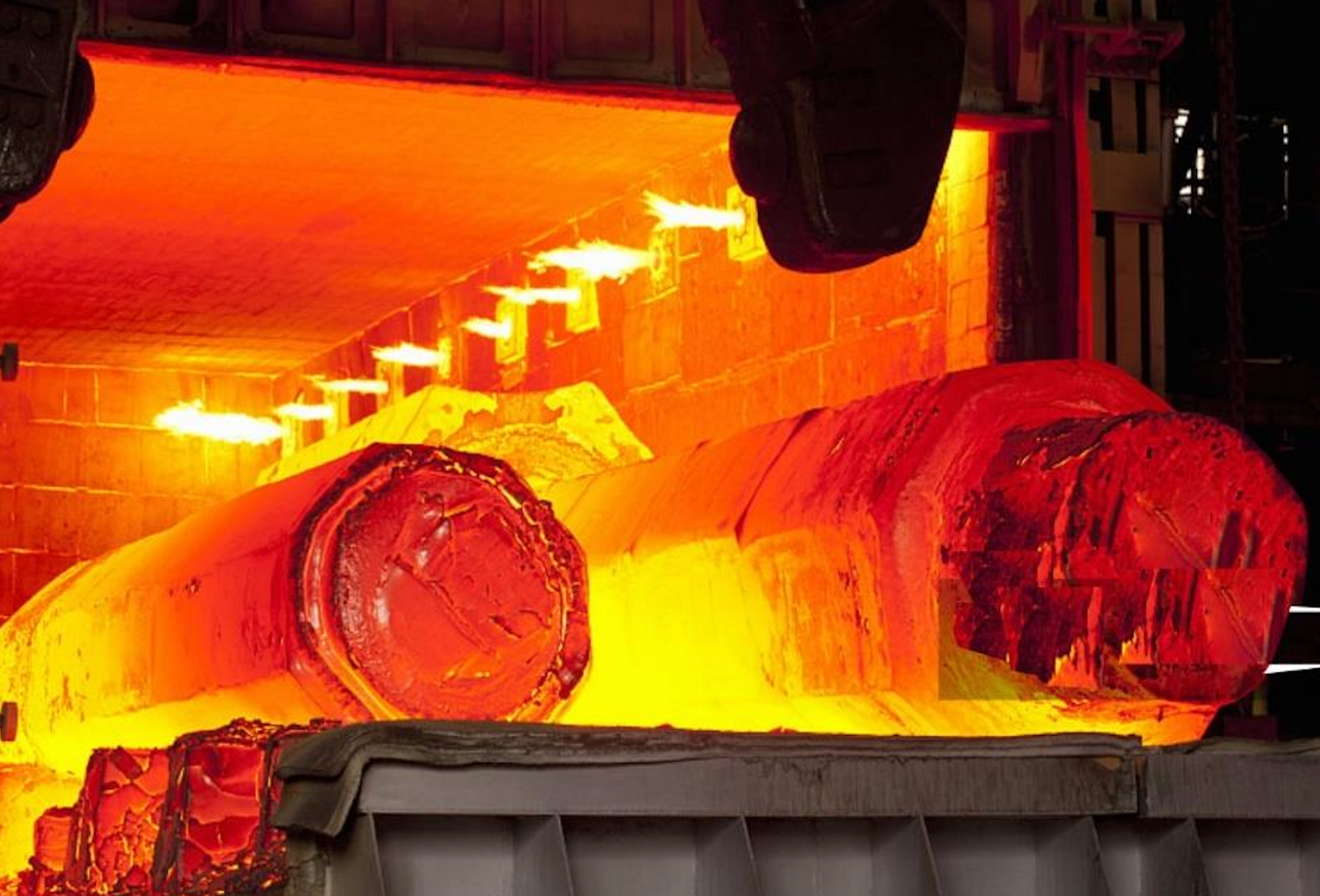
Where high temperature insulation is used
- Steel and aluminium: ladles, tundishes, reheating and holding furnaces, launders — see our guide to ladle insulation boards.
- Heat treatment and forging: furnace hot faces, doors and car tops in ceramic fibre modules and blanket.
- Cement, glass and ceramics: kilns, crowns, regenerators and kiln cars.
- Petrochemical and refineries: reformers, heaters, flues and stacks; removable insulation jackets for valves and flanges.
- Power and boilers: boiler casings, ducts, turbines and HRSGs.
- Fire barriers and heat shields: partition walls near furnaces — read our 600 °C heat shield case study and see fire protection.
Why buy high temperature insulation from Wedge Industries Limited
- Complete lining from one source: fire bricks, castables, ceramic fibre, microporous and calcium silicate — matched as one system, not separate orders.
- Cut to drawing: boards machined, modules made and blankets cut at Faridabad (Delhi NCR) for furnace makers and plants.
- Engineering support: we size layer thickness for your hot-face and shell temperatures.
- Stock and export: fast supply across Delhi NCR and Uttar Pradesh; exports to 45+ countries including the UAE, Saudi Arabia, Qatar and Kuwait.
Get a high temperature insulation price in 24 hours
Send the equipment, hot-face temperature, lining area or drawing, material or grade and quantity. A priced offer in ₹ or $ with data sheets follows within one working day; prices exclude 18% GST.
Need a rigid, high-strength board for ladle, kiln or furnace back-up or gaskets? See our insulation board range — HSI and RIMB millboards, 850–1,500 °C, ₹85–150/kg.
High temperature insulation FAQs
What is the best high temperature insulation?
It depends on temperature. Ceramic fibre (1050–1650 °C) is the usual hot face; microporous board gives the lowest heat loss as back-up up to 1200 °C; high-alumina fire bricks and castables are used above 1450 °C and up to 1800 °C.
What is the maximum temperature of ceramic fibre blanket?
Wedge ceramic fibre blankets are available in 1050, 1260, 1350, 1430 and 1650 °C classification grades, with densities from 64 to 192 kg/m³ and thicknesses of 13, 25 and 50 mm. See all grades, sizes and the 2026 price list on our ceramic fiber blanket page.
What is the difference between hot-face and back-up insulation?
The hot face faces the flame and must survive the full process temperature, so it is ceramic fibre, fire brick or castable. The back-up layer sits behind it at a lower temperature and uses very low-conductivity microporous or calcium silicate to reduce shell temperature and heat loss.
Can high temperature insulation be cut to size?
Yes. Ceramic fibre boards, calcium silicate and microporous boards are machined to drawing, blanket is cut to size and modules are made to your anchor layout at Faridabad.
Do you supply refractory bricks and castables?
Yes. Fireclay and high-alumina fire bricks (30–99% Al₂O₃), insulating fire bricks, castables and mortars are supplied as an order-linked refractory pack alongside the insulation layers.
How do I get a quotation?
Use the form, call or WhatsApp +91 97175 06848 with the equipment, temperature, area or drawing and quantity. You will receive a priced offer with data sheets within 24 hours on working days.
Lining a furnace, kiln or ladle?
Share the hot-face temperature and target shell temperature — we will recommend the high temperature insulation layers, thickness and price.