
Data Center Insulation & BESS Thermal Fire Barriers
Wedge Industries Limited manufactures data center insulation and battery energy storage (BESS) fire barriers in India — WedGel aerogel blankets and felts from 0.018 W/m·K, ceramic fibre felts and papers rated to 1260 °C, microporous boards and fire-rated panels for server halls, UPS battery rooms and containerised BESS.
Browse data center products · Guide: best thermal insulation for BESS
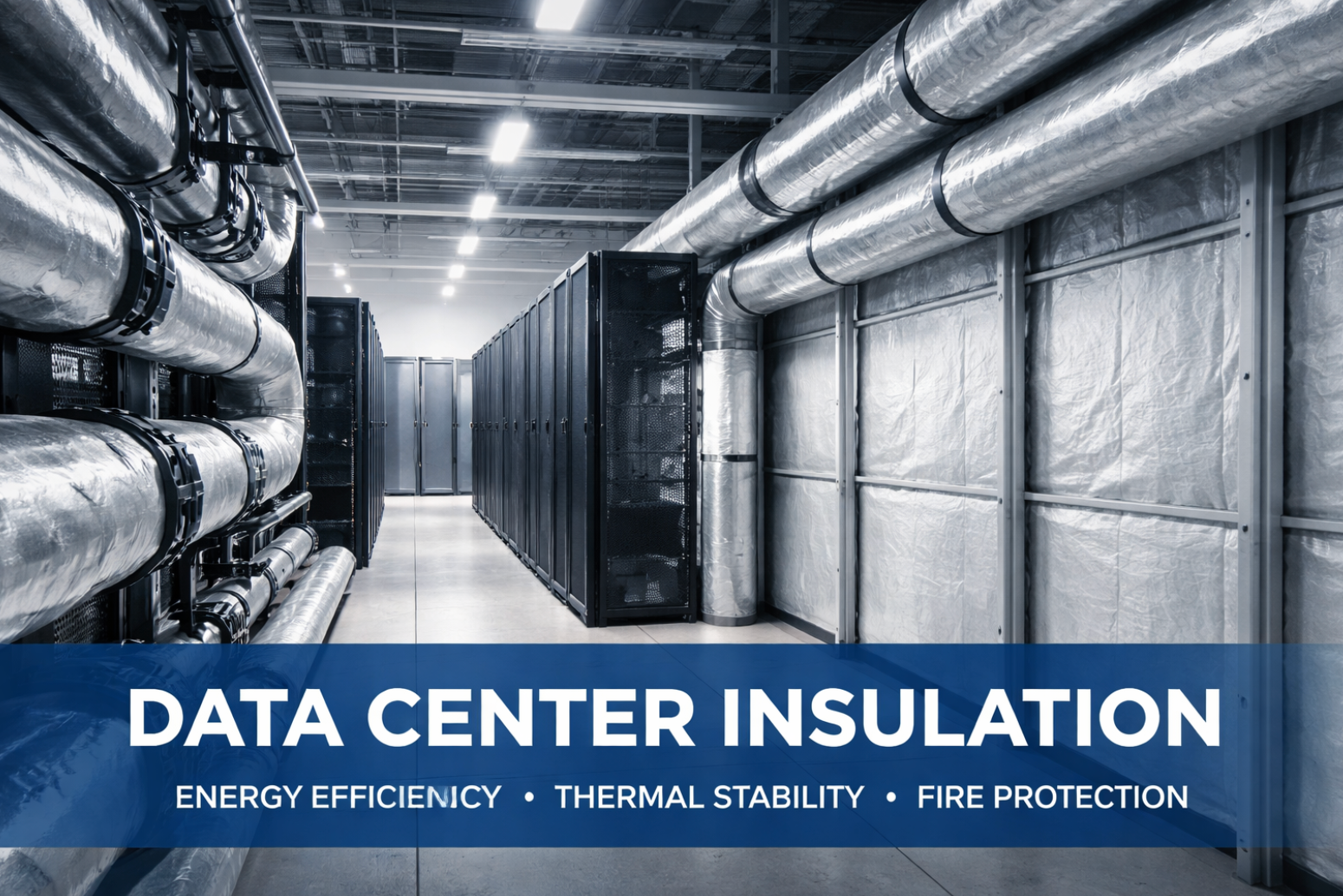
What is data center insulation?
Data center insulation is the set of thermal, fire and acoustic materials that keep heat where it belongs in a data center: out of the cold aisle, off the chilled-water pipes, and away from neighbouring battery cells when a lithium-ion UPS or BESS unit fails. Good data center insulation lowers cooling load and PUE (Power Usage Effectiveness), stops condensation on chilled-water lines, and adds passive fire protection to battery rooms, cable routes and walls — without eating into white space.
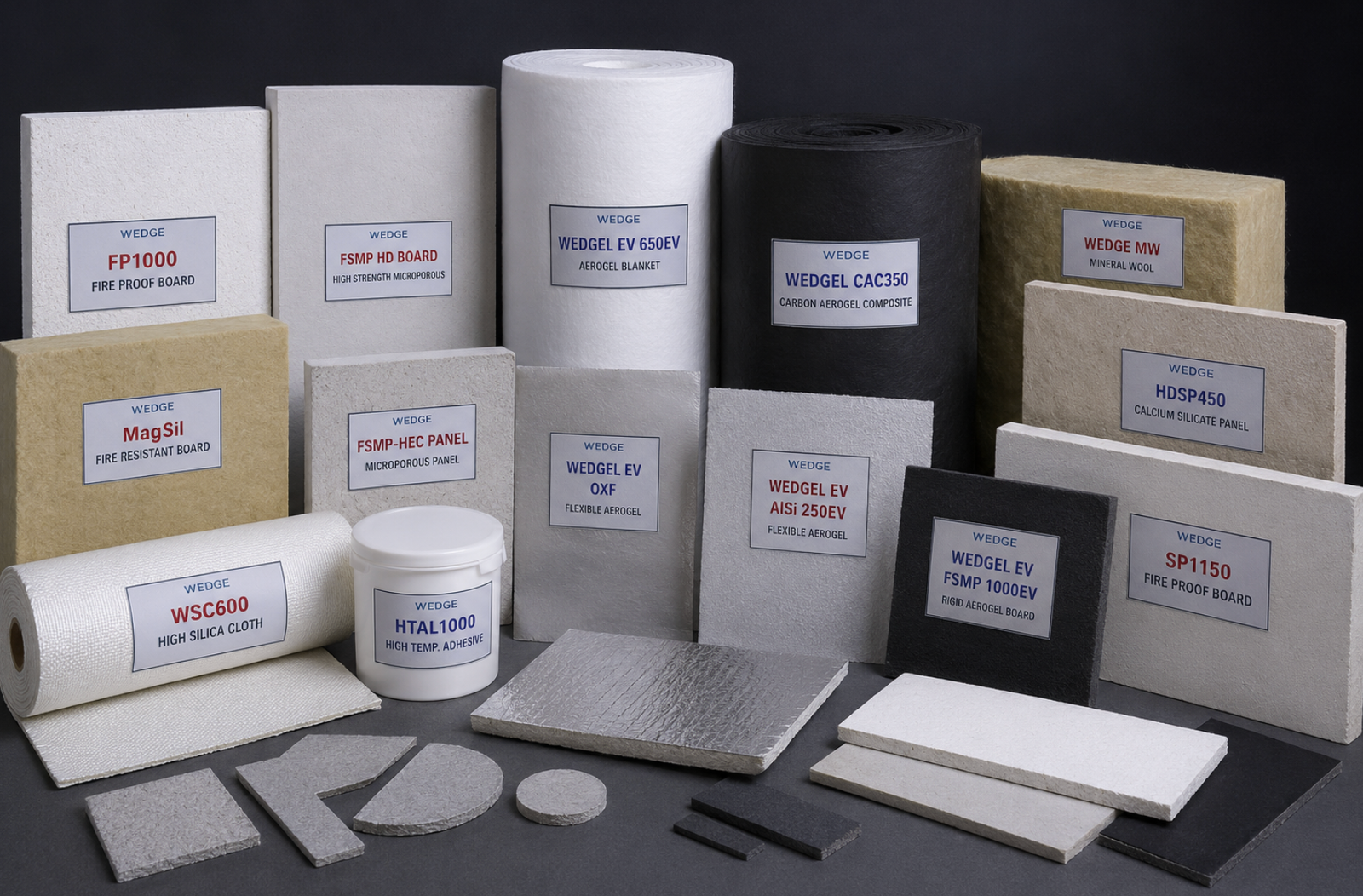
Two material families do most of the data center insulation work. Aerogel insulation gives the lowest thermal conductivity per millimetre for pipes, walls and battery barriers. Ceramic fibre felts and papers add high-temperature fire resistance where a thermal runaway or electrical fire must be contained.
Aerogel and ceramic fibre felts for data center insulation and BESS
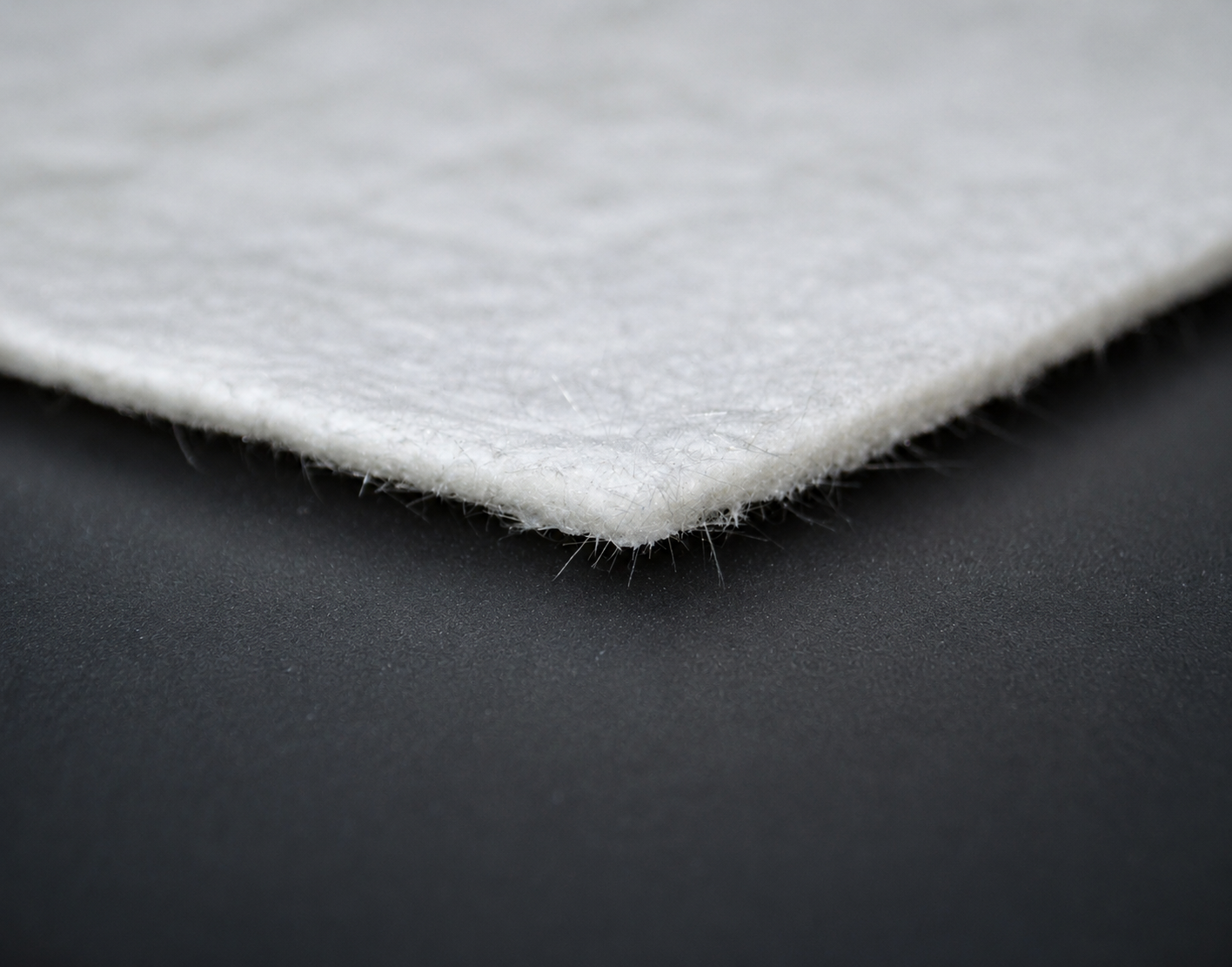
WedGel aerogel blanket and felt
λ 0.015–0.021 W/m·K, up to 650 °C, >99% hydrophobic. For chilled-water pipes, duct and wall insulation, and cell-to-cell BESS barriers. 10 mm blanket from ₹1,650.
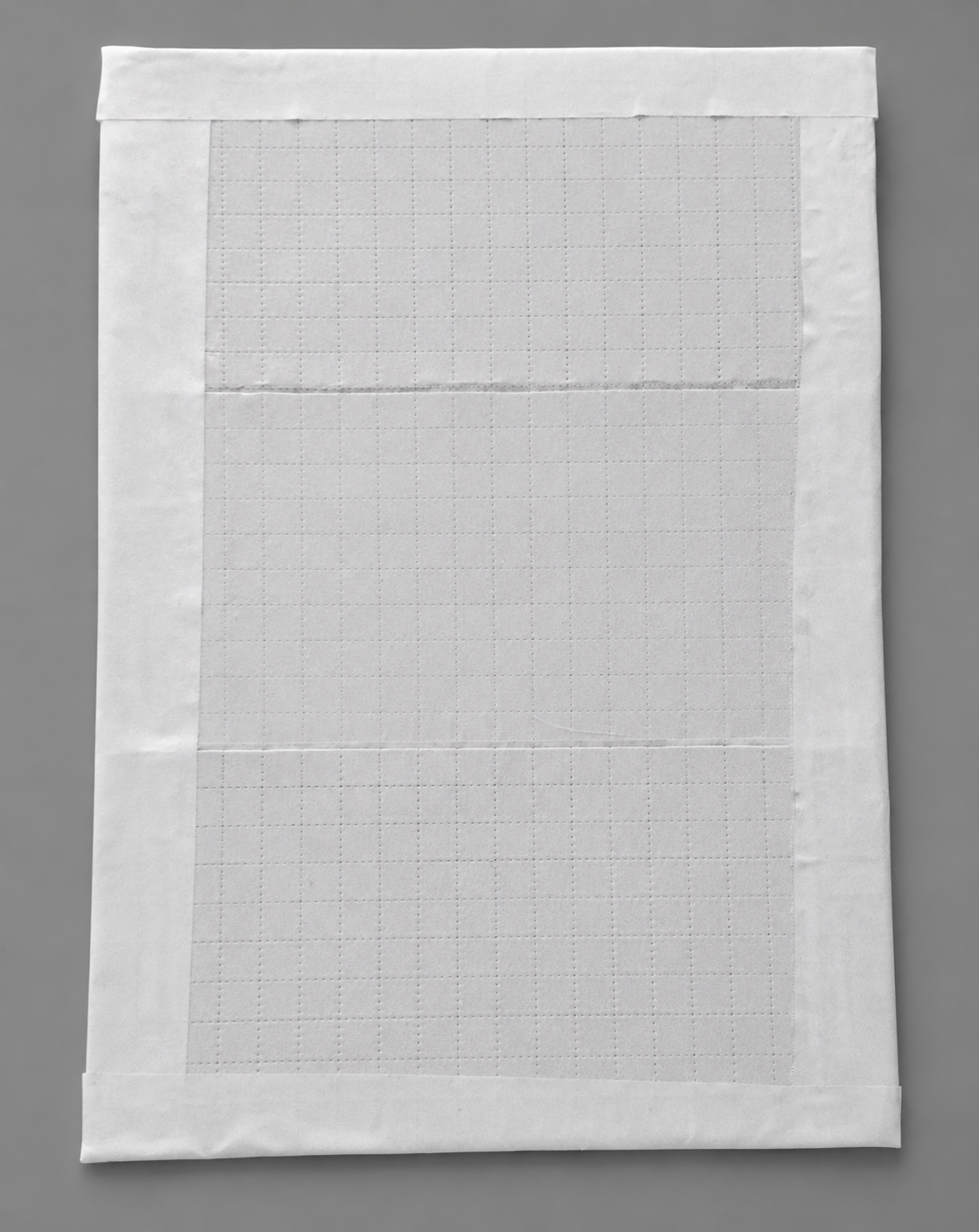
WedGel CF650 ceramic fibre aerogel felt
Aerogel on a ceramic fibre substrate: 0.023 W/m·K at 25 °C, up to 650 °C, 260 kg/m³, 2–10 mm die-cut. Hot-face barrier for battery modules and enclosures.
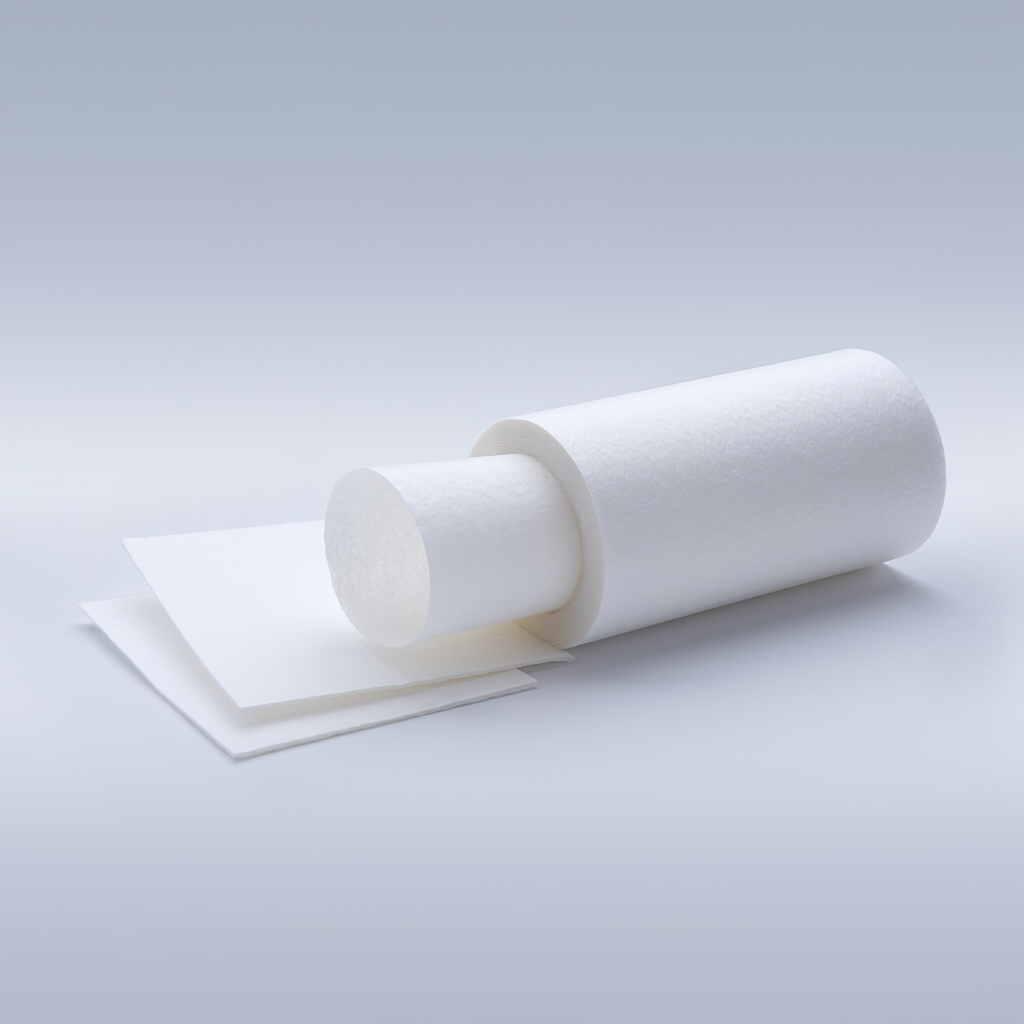
Ceramic fibre paper and felt
Bio-soluble ceramic fibre, 1260 °C, 2 / 3 / 5 mm at 160 / 200 / 240 kg/m³, roll 610 mm or die-cut. Inter-cell insulation and vent-path lining in BESS and UPS packs.
Data center insulation materials and specifications
| Material | Key rating | Where it is used in a data center |
|---|---|---|
| WedGel aerogel blanket | 0.015–0.021 W/m·K; up to 650 °C; >99% hydrophobic | Chilled-water pipes, CRAH/CRAC ducts, walls and roofs in space-limited retrofits |
| WedGel 650EV aerogel pad | 0.018 W/m·K at 25 °C; −50 to +700 °C; ≥10 kV/mm; 0.24–10 mm | Cell-to-cell barriers in lithium-ion UPS and BESS modules |
| WedGel CF650 ceramic fibre aerogel felt | 0.023 W/m·K at 25 °C; up to 650 °C; 260 kg/m³ | Module and rack hot-face barriers, battery enclosure lining |
| WedGel AlSi 250EV ceramic felt | 0.04 W/m·K; −10 to +1,300 °C; ≥1,500 °C short term | Flexible barriers around busbars and cable entries |
| Ceramic fibre paper | 1260 °C; 2–5 mm; 160–240 kg/m³ | Inter-cell insulation, vent-path lining, gaskets |
| Microporous board (FSMP 1000EV) | 0.021 W/m·K at 25 °C; up to 1,000 °C | Rigid module-to-module plates, barriers behind battery racks and cable trays |
| Phlogopite mica | High dielectric strength at temperature | Busbar and cable wrap, terminal covers |
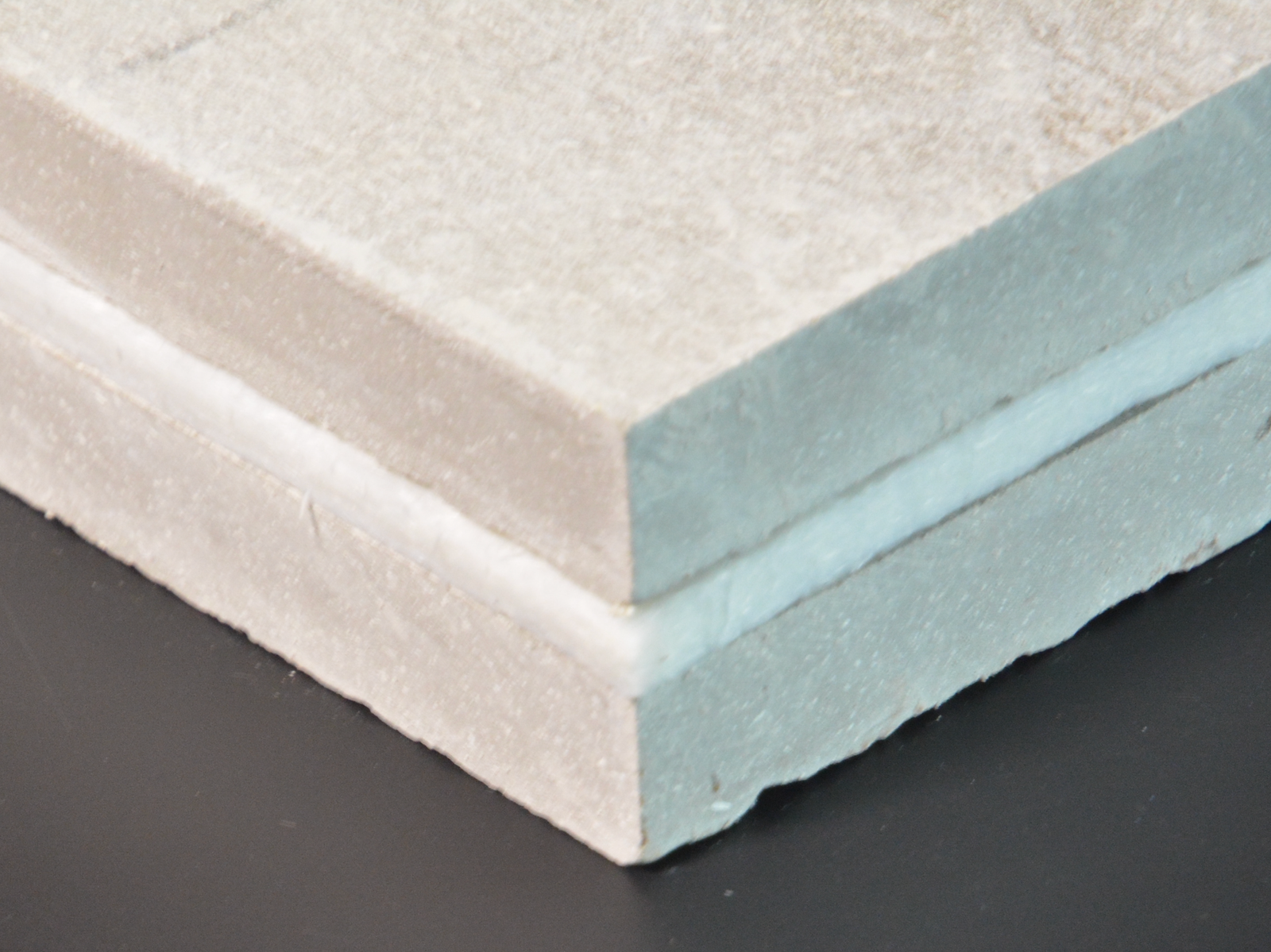
| Calcium silicate & fire-rated boards | Non-combustible, 1,100 °C grade available | Fire-rated partitions, battery-room lining, ceilings |
Values are from Wedge data sheets and the WedGel EV series; each order ships with the grade’s technical data sheet.
BESS insulation: stopping thermal runaway
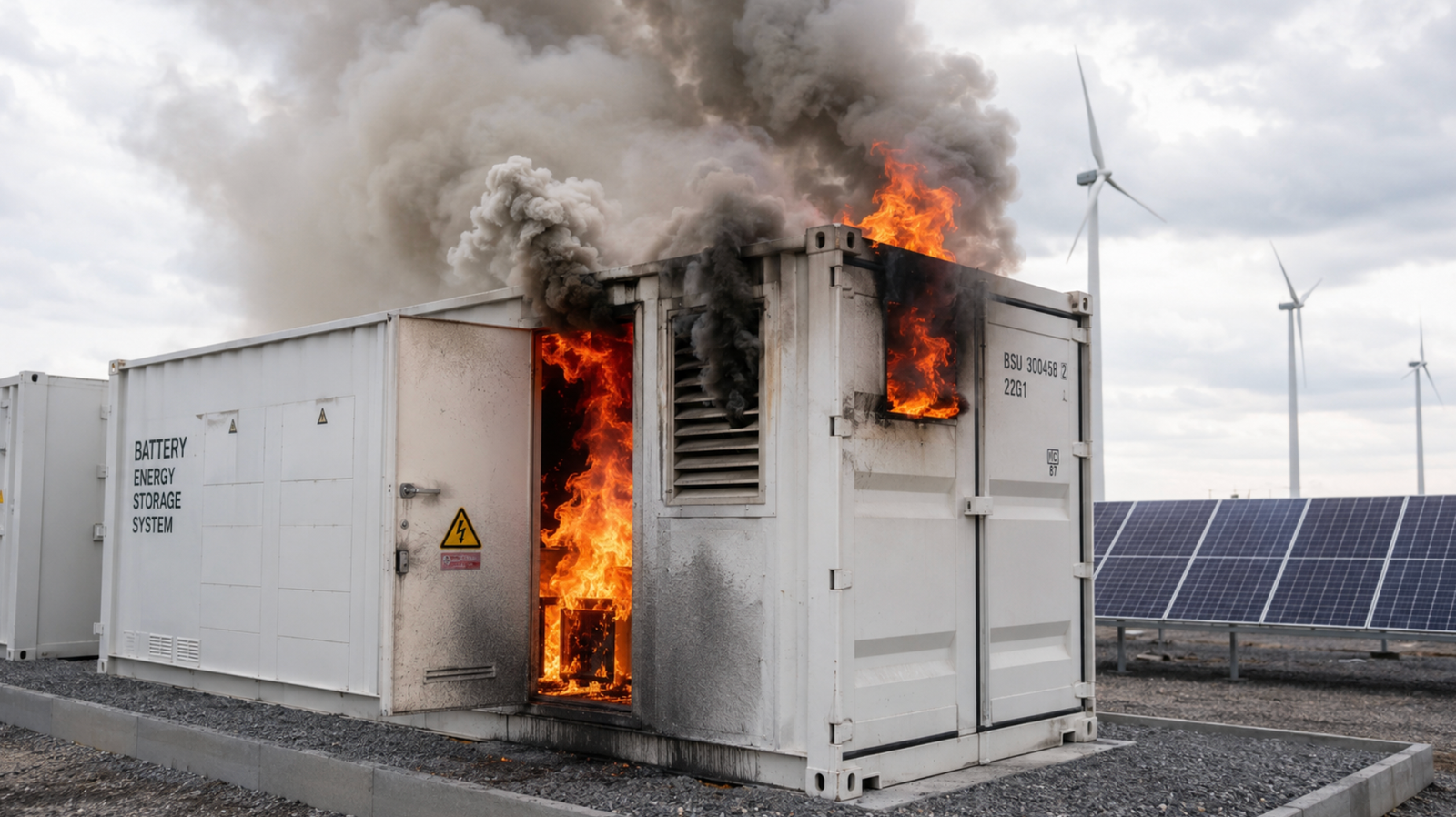
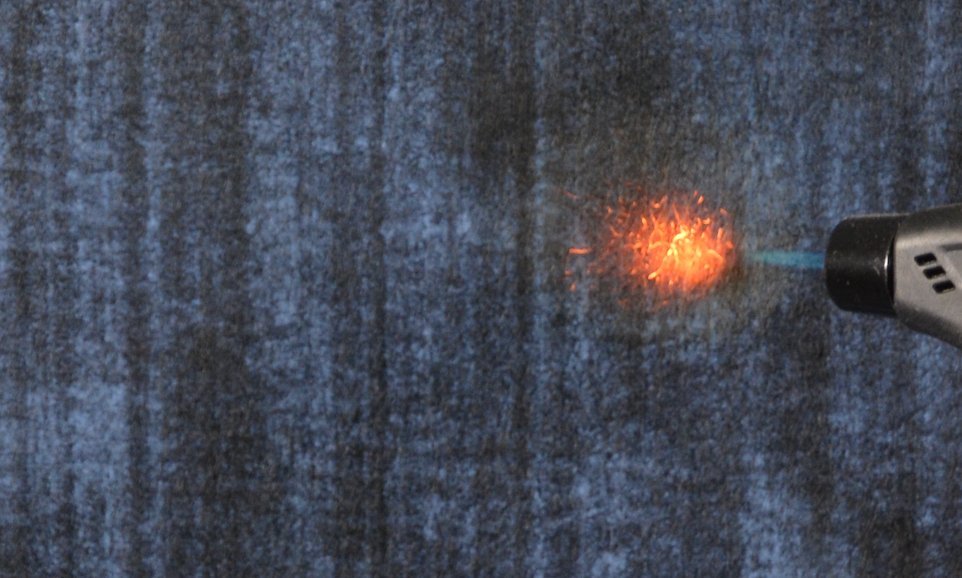
A failing lithium-ion cell can exceed 1,000 °C within seconds and set off its neighbours. UL 9540A tests this propagation at cell, module and installation level, and NFPA 855 (2026 edition) calls for large-scale fire testing between BESS units. A thin, non-combustible barrier between cells and modules is the most cost-effective way to slow that spread. It must block heat, survive flame, insulate electrically and stay thin enough to protect pack energy density.
- Cell to cell: WedGel 650EV aerogel pads or ceramic fibre paper, 1–3 mm.
- Module to module: CF650 ceramic fibre aerogel felt or rigid microporous plates.
- Busbars and cables: mica and AlSi 250EV ceramic felt.
- Container and room: microporous boards, calcium silicate linings and fire seals at penetrations.
Read the full BESS insulation guide, or see EV battery insulation for the complete battery thermal stack.
Data center insulation applications
- Chilled-water and refrigerant pipes: the most common data center insulation job — thin aerogel blanket stops condensation and heat gain in crowded plant rooms and risers.
- Hot aisle / cold aisle containment: insulated panels and seals that keep supply air cold and cut bypass airflow.
- UPS and battery rooms: aerogel and ceramic felt barriers inside lithium-ion racks, fire-rated room linings.
- Containerised BESS and edge data centers: cell pads, module barriers and container envelope insulation for 50 °C+ Indian and Gulf summers.
- Walls, roofs and partitions: MgO boards, calcium silicate and composite panels for fire-rated construction.
- Cable routes and penetrations: fire seals, mica tape and ceramic fibre wraps.
Why buy data center insulation from Wedge Industries Limited
- Data center insulation manufacturer in India: aerogel pads, ceramic papers and felts are made and die-cut at our Faridabad (Delhi NCR) facility — short lead times, no import duty.
- One supplier, whole stack: cell pads to container fire barriers, pipe insulation to fire-rated boards, with matched data sheets.
- Die-cut to drawing: parts from 0.24 mm to 10 mm, rolls, sheets or kiss-cut pieces with adhesive.
- Export ready: Wedge Industries Limited ships to 45+ countries, including data center and BESS projects in the UAE, Saudi Arabia, Qatar and the UK.
Get a data center insulation price in 24 hours
Send the application (pipes, battery racks, BESS container, walls), material or temperature rating, thickness, quantity and site location. A priced offer in ₹ and $ with data sheets follows within one working day.
Data center insulation FAQs
What is the best insulation for a data center?
For chilled-water pipes and space-limited walls, aerogel blanket gives the lowest thermal conductivity (0.015–0.021 W/m·K) in the thinnest layer. For battery rooms and BESS, combine aerogel pads with ceramic fibre felt or microporous boards for fire resistance, and use calcium silicate or MgO boards for fire-rated partitions.
What insulation is used in BESS to stop thermal runaway?
Silica aerogel thermal-runaway pads such as WedGel 650EV (0.018 W/m·K, UL 94 V-0) are placed cell to cell, with ceramic fibre aerogel felt or microporous plates between modules and ceramic fibre paper at vent paths. Container-level fire barriers complete the system.
What is the difference between aerogel felt and ceramic fibre felt?
Aerogel felt has far lower thermal conductivity (about 0.018–0.023 W/m·K) and is used where space is tight, up to 650 °C. Ceramic fibre felt and paper handle higher temperatures, up to 1260 °C, and are used as hot-face and vent-path barriers. WedGel CF650 combines both: aerogel on a ceramic fibre substrate.
Does insulation help reduce data center PUE?
Yes. Data center insulation on chilled-water lines, ducts and the building envelope reduces unwanted heat gain, so chillers and CRAH units do less work. That lowers cooling energy and therefore PUE, especially in hot Indian and Gulf climates.
Can you die-cut barriers to our battery drawing?
Yes. Send a DXF or PDF drawing; aerogel pads, ceramic papers and felts are die-cut or kiss-cut from 0.24 mm to 10 mm, with or without adhesive, and prototype quantities are available before series supply.
How do I get a price?
Use the form, call or WhatsApp +91 97175 06848 with the application, material, thickness, quantity and location. You will receive a priced offer in ₹ and $ within 24 hours on working days; prices exclude 18% GST.
Building or upgrading a data center or BESS site?
Tell us the application and fire or thermal target — we will recommend the aerogel, ceramic felt and board stack with thicknesses and a price.