
Microporous Insulation Boards, Blankets & Panels up to 1200 °C
Wedge Industries Limited supplies WEDGE MP 1200 microporous insulation — rigid boards, flexible overstitched blankets, hydrophobic panels and fabricated shapes with a thermal conductivity of 0.019–0.025 W/m·K at 200 °C. Reach the same cold-face temperature with up to 75% less thickness than conventional high-temperature insulation.
Download the microporous insulation catalogue (PDF) · Browse all microporous products
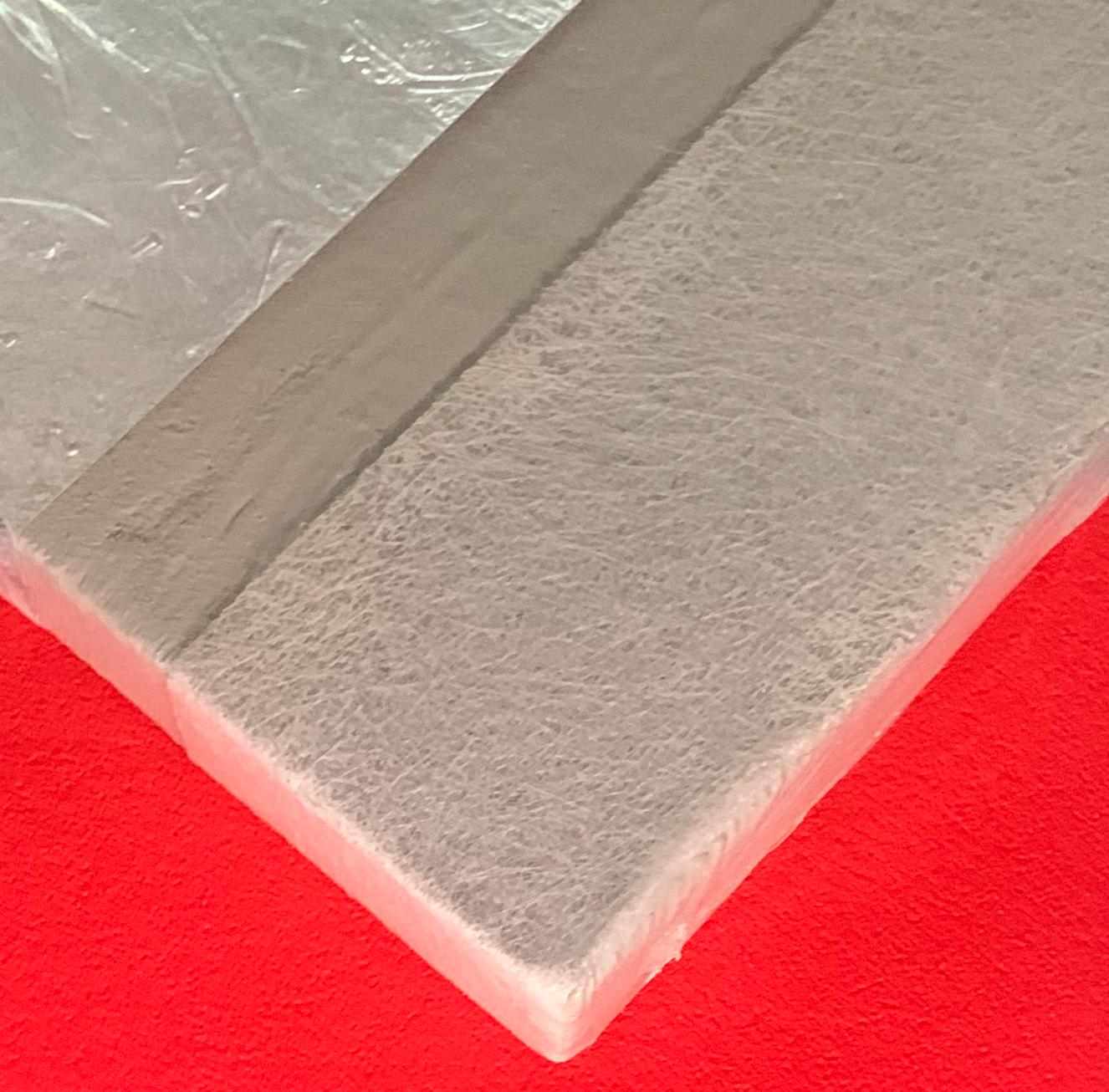
What is microporous insulation?
Microporous insulation is a compacted blend of fumed silica, infrared opacifiers and reinforcing inorganic fibres whose pores are smaller than the mean free path of air molecules (about 0.1 µm at room temperature). Because gas molecules inside the pores hit the pore walls before they can hit each other, gas conduction and convection are almost eliminated, and the opacifier blocks radiant heat. The result is the lowest thermal conductivity of any high-temperature insulation — lower than still air — which is why microporous insulation is specified wherever a lining has to be thin, light or cool on the outside.
Industry also calls it nano-porous insulation, fumed silica board or microsilica insulation. It is the standard back-up layer behind refractory and ceramic fibre in furnaces, ladles and kilns, and the core material in thin fire doors, lift doors and heat shields.
Microporous insulation specifications — WEDGE MP 1200
| Property | WEDGE MP 1200 microporous insulation |
|---|---|
| Composition | Fumed silica, infrared opacifier, inorganic reinforcing fibre |
| Thermal conductivity | 0.019–0.025 W/m·K at 200 °C; 0.021–0.034 W/m·K at 800 °C mean |
| Maximum service temperature | 900 °C to 1200 °C depending on grade |
| Density | 200–350 kg/m³ |
| Compressive strength | 0.3–0.8 MPa |
| Standard board size | 1000 × 600 mm |
| Thickness | 10–50 mm (other sizes and cut pieces to drawing) |
| Fire behaviour | Non-combustible, Class A |
| Grades | Standard, hydrophobic (water-repellent) and high-strength |
| Formats | Rigid board, flexible overstitched/quilted blanket, encapsulated panel, pipe section, machined shape |
Values are typical for the WEDGE MP 1200 range; each order is supplied with the grade’s technical data sheet. Thermal conductivity rises with mean temperature, so always size the lining at the actual operating temperature.
Microporous insulation vs calcium silicate and ceramic fibre
At the same hot-face temperature, microporous insulation needs a fraction of the thickness of calcium silicate or ceramic fibre to hold the same cold-face temperature. The figures below are taken from Wedge’s own data sheets.
| Material | Thermal conductivity | Max. temperature | Best use |
|---|---|---|---|
| Microporous board (WEDGE MP 1200) | 0.019–0.025 W/m·K at 200 °C | up to 1200 °C | Thin back-up linings, fire doors, space-critical equipment |
| Calcium silicate board | ≤0.056 W/m·K at 200 °C; ≤0.100 at 538 °C | 650–1200 °C | Load-bearing insulation, pipe and vessel lagging |
| Ceramic fibre board / blanket | 0.124 W/m·K at 400 °C (1260 grade) | 1050–1650 °C | Hot-face linings, expansion joints, wraps |
| Aerogel blanket | 0.017–0.023 W/m·K at 25 °C | up to 650 °C | Flexible pipe and equipment insulation below 650 °C |
A common design is a two-layer lining: ceramic fibre or refractory on the hot face and a microporous insulation board behind it, which cuts shell temperature and heat loss without increasing the furnace footprint. Lower shell losses also help energy-intensive plants meet targets under the Bureau of Energy Efficiency PAT scheme. Use our insulation thickness calculator for a first estimate, or send the operating data for a Wedge engineer to size the lining.
Microporous insulation products we supply
MP 1200 rigid boards
Rigid microporous insulation board, 1000 × 600 mm, 10–50 mm. Back-up insulation for furnaces, kilns, ladles and tundishes. Also as 50 mm 6AL board and 25 mm board.
Flexible microporous blanket
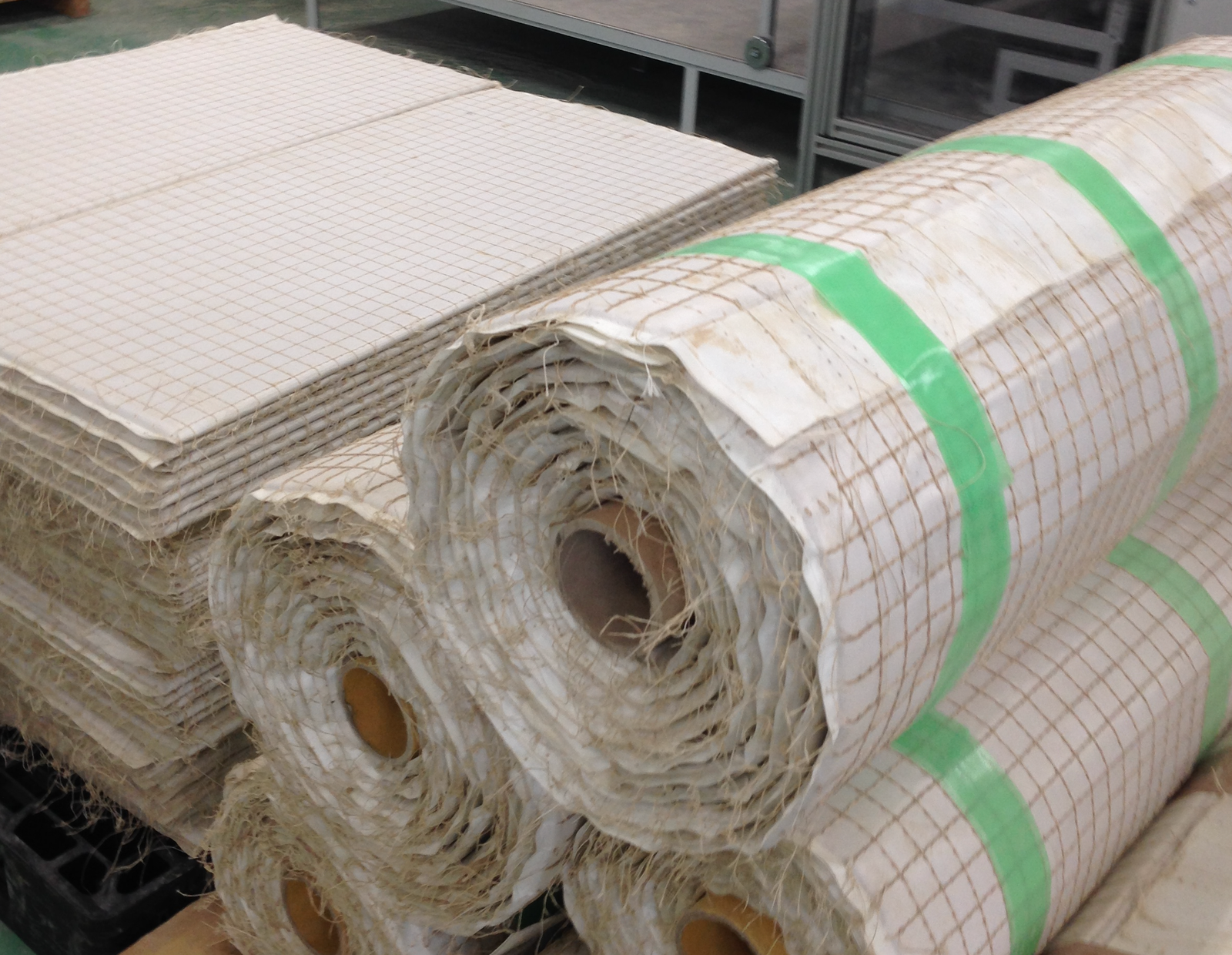
Overstitched, slatted or quilted in glass cloth so it bends around pipes, vessels and curved shells. Removable jacket versions available.
Hydrophobic microporous panels
Water-repellent grade for outdoor equipment, condensation-prone areas and applications where the board may see moisture during installation.
Fire door & lift door panels
Thin, rigid microporous cores that keep steel fire doors and lift landing doors within cold-side temperature limits.
MicroSilica Slim insulation
Thin microporous sheets for electronics, EV battery packs, heat shields and appliances where every millimetre counts.
Vacuum insulation panels
Microporous and fumed-silica core VIPs for cold chain and building envelopes when conductivity must fall below 0.005 W/m·K.
Applications of microporous insulation
- Steel and aluminium: back-up insulation for ladles, tundishes, launders, holding furnaces and reheating furnaces — see our guide to ladle insulation boards.
- Furnaces and kilns: ceramic, glass and heat-treatment furnaces where a thinner wall increases usable volume.
- Passive fire protection: fire doors, lift landing doors, fire-rated enclosures and cable protection — part of our passive fire protection range.
- Power and petrochemical: turbine and exhaust ducting, reformers, heaters, removable valve and flange jackets.
- EV batteries and energy storage: thin heat shields and cell barriers — see EV battery insulation and insulation for BESS.
- Appliances, aerospace and defence: ovens, laboratory equipment, instrumentation and compact high-temperature assemblies.
How microporous insulation is installed
- Cut: use a fine-tooth saw or sharp knife; wear a dust mask and gloves. Cut pieces to fit tightly — gaps are the main source of heat loss.
- Place behind the hot face: microporous boards normally sit on the cold side of the lining, protected from direct flame, slag and mechanical impact by refractory or ceramic fibre.
- Fix: hold boards with the steel casing, pins or a high-temperature adhesive such as HTG01 insulation glue; stagger joints in multi-layer linings.
- Protect from water: standard grades lose strength if soaked — keep dry or specify the hydrophobic grade.
For flexible quilts on pipework and equipment, read our guide to overstitched quilted microporous insulation.
Why buy microporous insulation from Wedge Industries Limited
- Engineering, not just supply: we size the lining from your hot-face temperature, target shell temperature and space available, and recommend the grade and thickness.
- Cut to drawing: boards, blankets and panels machined or fabricated to your DXF or sketch, including removable jackets.
- Stock in India: dispatched from our Faridabad (Delhi NCR) base with regional supply through Delhi NCR and Uttar Pradesh.
- Export ready: Wedge Industries Limited ships to 45+ countries, including UAE, Saudi Arabia, Qatar, Kuwait, the UK and Europe.
- One supplier for the whole lining: refractory, ceramic fibre, calcium silicate, microporous and high-temperature insulation from one source.
Get a microporous insulation price in 24 hours
Send the grade or temperature, board size, thickness, quantity and delivery location. A priced offer with the technical data sheet follows within one working day. Prices are quoted in ₹ INR for India and $ USD for export, excluding 18% GST.
Microporous insulation FAQs
What is microporous insulation made of?
Microporous insulation is made of compressed fumed silica with an infrared opacifier and inorganic reinforcing fibres. Its pores are smaller than the mean free path of air, which suppresses gas conduction and gives a thermal conductivity of 0.019–0.025 W/m·K at 200 °C.
What temperature can microporous insulation withstand?
WEDGE MP 1200 microporous insulation is rated for 900 °C to 1200 °C maximum service temperature depending on grade. It is normally installed behind a refractory or ceramic fibre hot face.
Is microporous insulation better than calcium silicate or ceramic fibre?
For thermal performance, yes: at 200 °C microporous board conducts roughly half as much heat as calcium silicate, and far less than ceramic fibre at high temperature, allowing up to 75% thinner linings. Calcium silicate is still preferred where the insulation must carry load, and ceramic fibre on the hot face.
Is microporous insulation waterproof?
Standard microporous boards are not; liquid water damages the structure. Choose the hydrophobic microporous insulation panel grade for wet or condensation-prone locations, and keep standard grades dry during storage and installation.
What sizes and thicknesses are available?
Standard rigid boards are 1000 × 600 mm in 10–50 mm thickness. Flexible blankets, encapsulated panels, pipe sections and machined parts are made to drawing.
How much does microporous insulation cost in India?
Price depends on grade, thickness, format and quantity, so every order is quoted to specification. Send your requirement by form, call or WhatsApp +91 97175 06848 and you will receive a priced offer in ₹ and $ within 24 hours on working days.
Need a thinner, cooler high-temperature lining?
Tell us the hot-face temperature, target cold-face temperature and space available — we will recommend the microporous insulation grade, thickness and price.